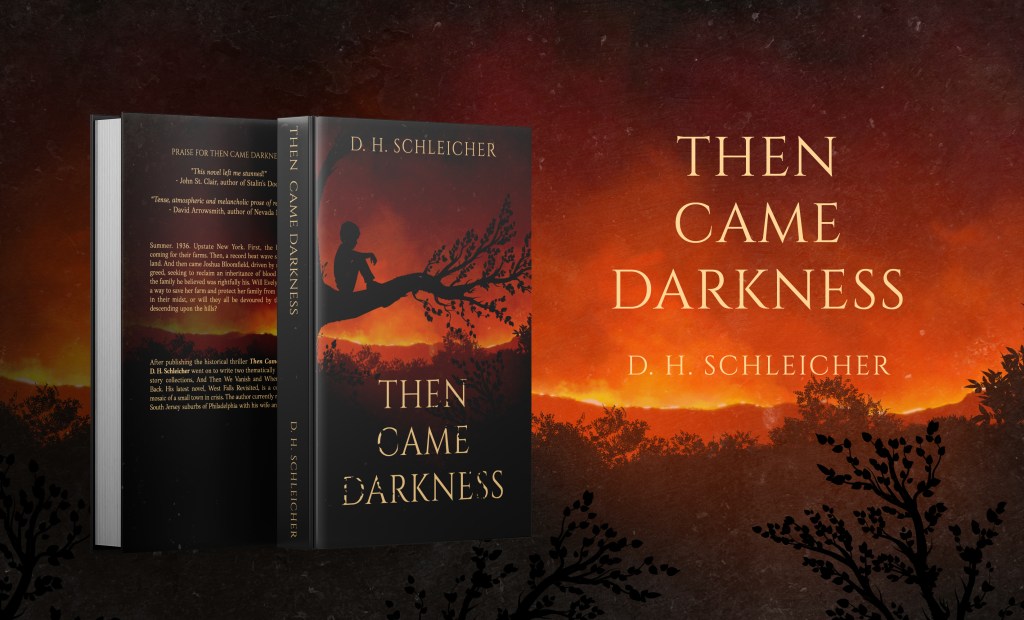
This October marks the rerelease of my acclaimed Depression era historical thriller, Then Came Darkness, complete with a refreshed cover design to better capture the spirit of the dark, dark age in which it takes place. To this day, it remains my personal favorite work. For me it is the best thing I’ve ever written, and I’m excited to continue to share it with new readers.
But when did the darkness first capture my imagination?
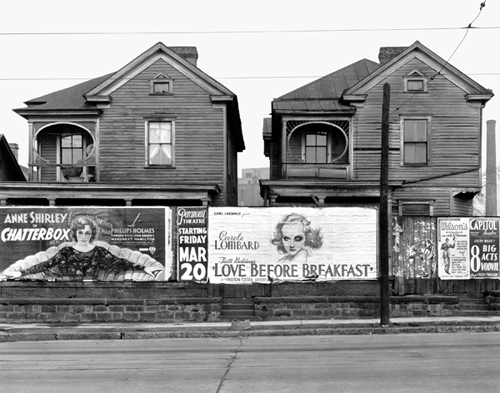
Well, it was one of those happy accidents – a sudden burst of unexpected inspiration. I was visiting one of my favorite haunts, Cooperstown, NY. I was at the Fenimore Art Museum, and unbeknownst to me they were having a special exhibit of Walker Evans’ Great Depression era photographs. Those images haunted me. While transfixed by the collection, I suddenly knew one day I would write a novel that took place during the Great Depression.
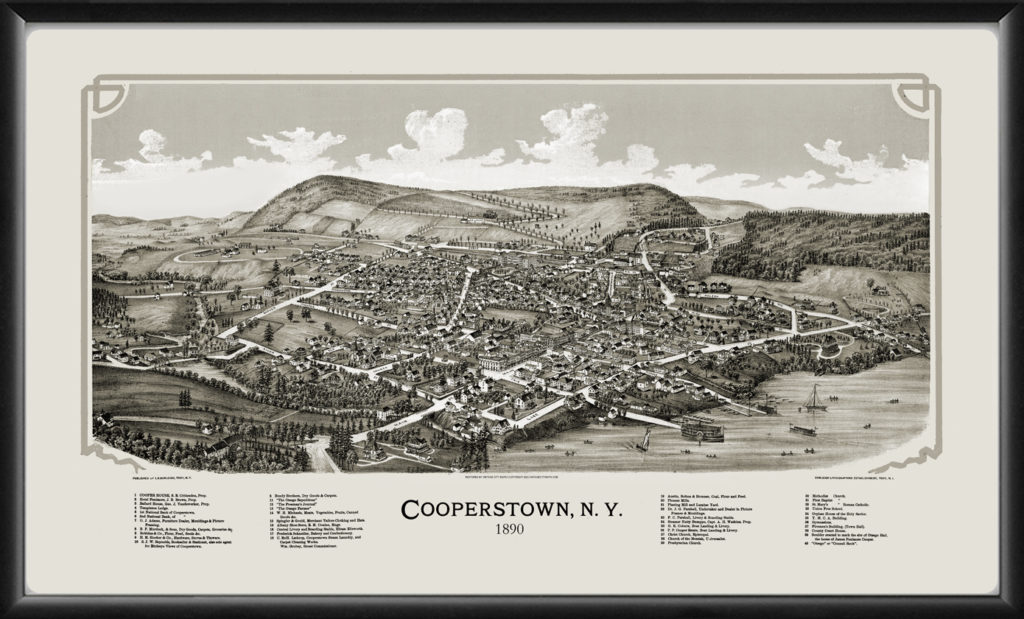
But when I thought of the Great Depression and my story, I didn’t want it to take place in the Dust Bowl. I wanted it to take place somewhere away from that, where nature was left untouched, but where the panic of economic hardships still depressed the people and the storm clouds of what eventually lead to World War II cast their pall. Soon, it became clear 1936 would be the perfect year to capture this spirit, and that summer specifically, where the climax of the story could take place against the backdrop of the historic heat wave and Lou Gherig’s MVP campaign. The hills of Upstate New York that I so loved would then become the perfect setting for this encroaching darkness to take hold. The real hamlets of Milford and Cooperstown would become the fictional villages of Milton and Fenimore – keeping the ties to the first great American novelist, James Fenimore Cooper. The famous Hyde Hall became Haydons Hall. I would plant other real world easter eggs in the novel like Gorey Pond beyond the Kydd family homestead, Sleeping Lion Mountain, Judge’s Rock, and glimmering Lake Otsego where one character met their fate on its frozen expanse but which remained nameless.
Over the next few years, I began to sketch the characters and their stories and envision the menace of the insatiable Joshua Bloomfield driven by greed and revenge to return to Upstate New York and terrorize the Kydd family. I immersed myself in films whose tone and style I wanted to capture on the page. Movies like Charles Laughton’s The Night of the Hunter, the Coen Brothers’ Miller’s Crossing, and PT Anderson’s There Will Be Blood. In books I found inspiration from John Steinbeck’s The Grapes of Wrath and Ron Rash’s Serena. I did extensive research on the Great Depression to get the period details right. I also wanted the characters to feel lived-in, beholden to the social mores of the day, but with their own fears and dreams that they found solace or inspiration from favorite songs, books, and radio shows that were popular at the time. The Kydd children followed their beloved Yankees and The Shadow on the radio. Evelyn Kydd read the latest Agatha Christie best-sellers by the fire. Outsider Mostlee Weathers listened to Georgia White records shipped straight from Harlem.
Eventually a first draft was completed. But I let it sit, and did nothing with it for years until my son was born in the summer of 2018. This life-changing event spurred me to take the work I had always loved the most and put it out into the world.
In the years since publication, I’ve been floored by some of the reactions from readers, reviewers and fellow indie authors who have embraced the darkness and enthusiastically compared it to not only some of the works that directly inspired it like The Night of the Hunter and The Grapes of Wrath but also to literary classics like East of Eden with its epic sense of place and scope of family drama and even To Kill a Mockingbird with its shades of coming-of-age.
Above all, I always wanted Then Came Darkness to feel timeless. The stylistic dialogue, the period details, the tone of the narrative, the enveloping dread…I wanted readers to walk away feeling as if this could have just as likely been written in real-time during the Great Depression as it was actually written in the 2010s. I always wanted it to have the feel of a long-lost classic.
Did I succeed? Only my readers can be the final judge.
Are you ready to enter the darkness yet?
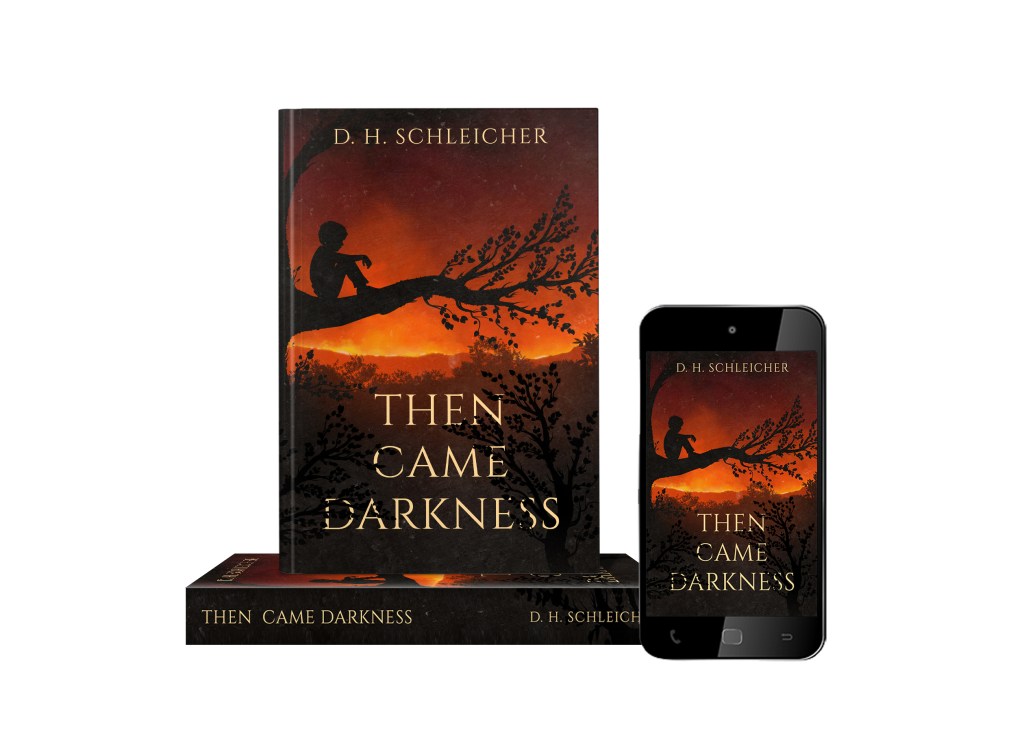
Buy the paperback from Amazon.com.
Download a copy to your Kindle – always free with your subscription to Kindle Unlimited.
Ask your local indie bookstore to stock their shelves through Bookshop.org.

